


Serving Hamilton County & Surrounding Areas
Should you fix or replace your water heater?
Age of the Water Heater:
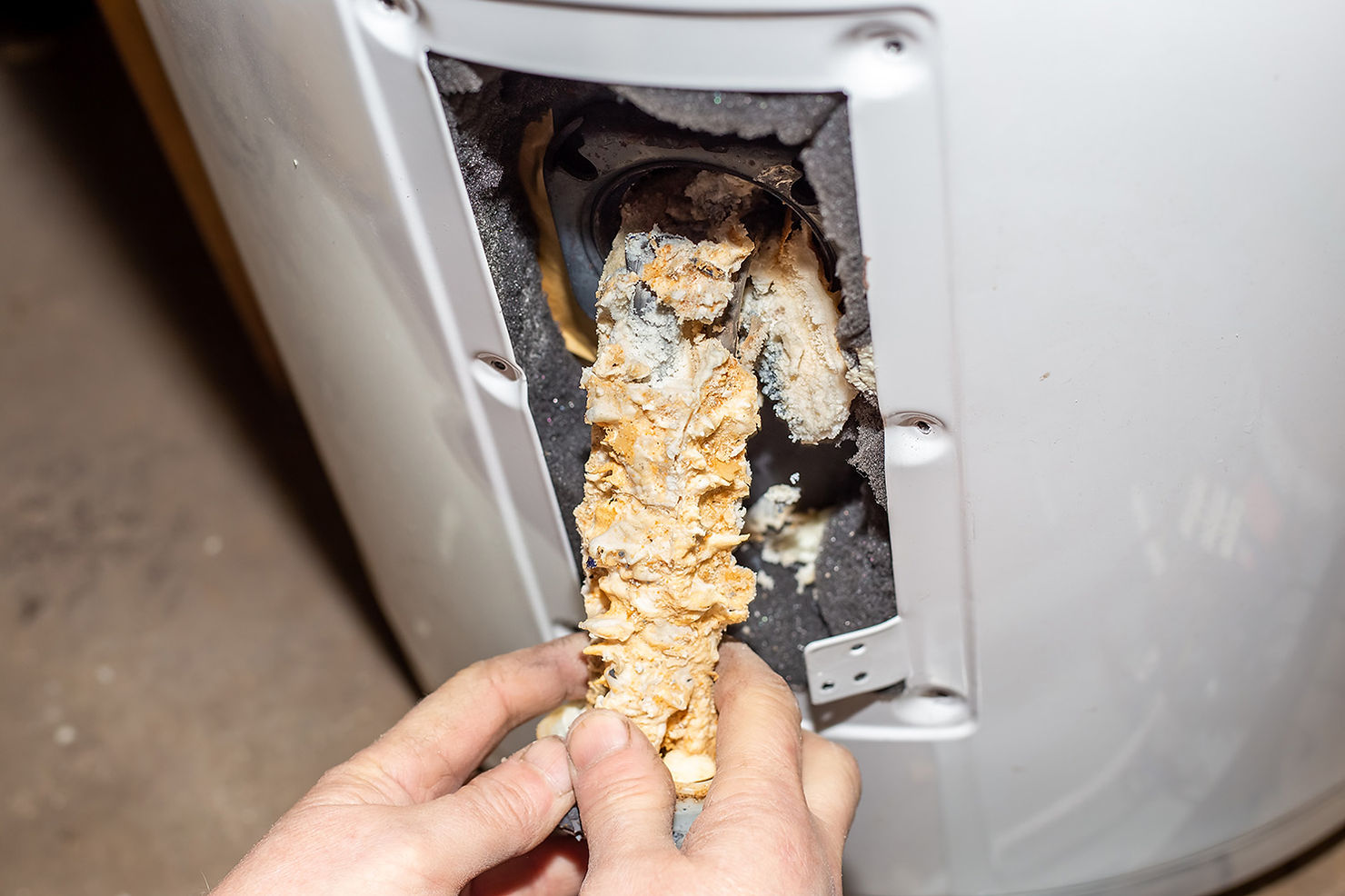
If your water heater is nearing the end of its expected lifespan (usually 8-12 years for conventional tank water heaters), it might be more cost-effective to replace it rather than investing in repairs that might only offer a temporary solution.
Type of Problem:
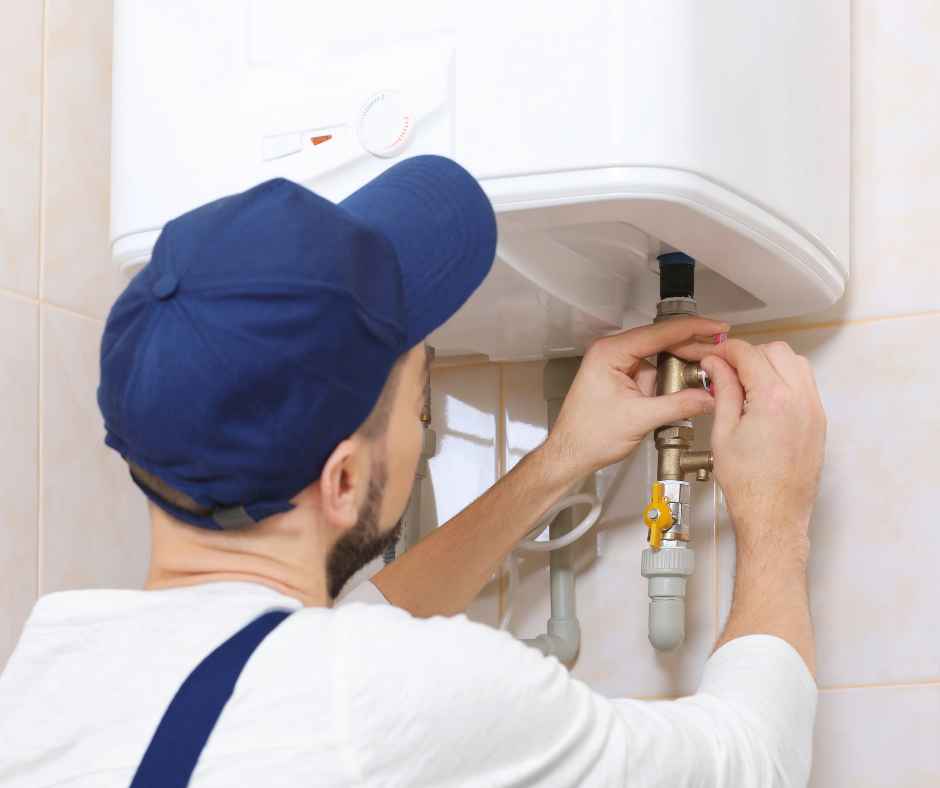
Minor issues like a faulty thermostat or a leaking valve can often be repaired relatively inexpensively.
However, if the tank is leaking, it usually indicates that the unit needs to be replaced.
Efficiency:
Older water heaters are generally less energy-efficient than newer models. If your current heater is old, you might save money in the long run by investing in a newer, more efficient model.
Repair Costs:
Consider the cost of repairs versus the cost of a new water heater. If the repair cost is approaching 50% of the cost of a new heater, it might make more sense to replace it.
Energy Savings:
Newer water heaters, especially tankless or heat pump models, can offer significant energy savings compared to older, conventional units. Consider the potential long-term savings when deciding whether to replace your water heater.
Type of Water Heater:
If you currently have a conventional tank water heater and are considering replacing it, you might also explore other options like tankless, heat pump, or solar water heaters, which could offer additional benefits in terms of energy efficiency and longevity.
Future Plans:
If you plan to stay in your current home for many years, investing in a new, efficient water heater might be worthwhile. However, if you’re planning to move soon, a more cost-effective repair might suffice.
Maintenance History:
Consider the overall maintenance history of your water heater. If it has required frequent repairs or has a history of issues, it might be a sign that it’s nearing the end of its lifespan and could benefit from replacement.
Ultimately, the decision to fix or replace your water heater depends on a combination of these factors, as well as your budget and preferences.
Did you know we offer FREE estimates on water heater repairs or replacements in the Northern Indianapolis area? If you’re not sure if you should replace your water heater, let us help you make an informed decision! Check us out here!
Recent Posts
Save More: Hamilton County Hard Water Costs Explained
How to Choose the Right Water Heater Installation Company for Your Home
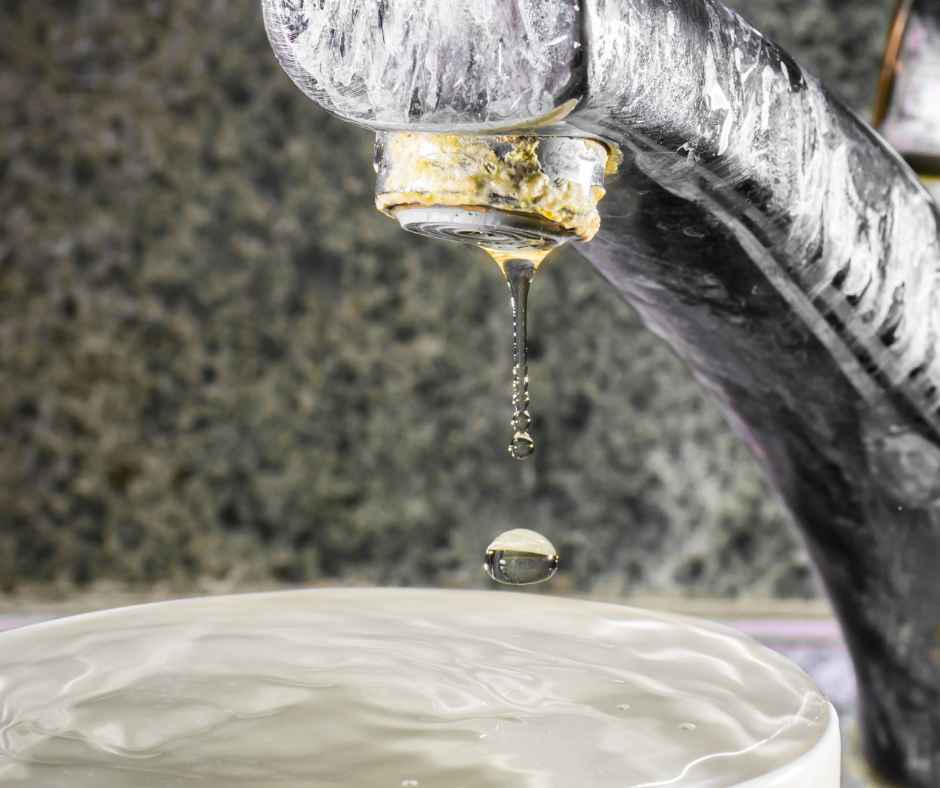
Hard Water & Hamilton County: Why Your Noblesville Home Needs a Water Softener
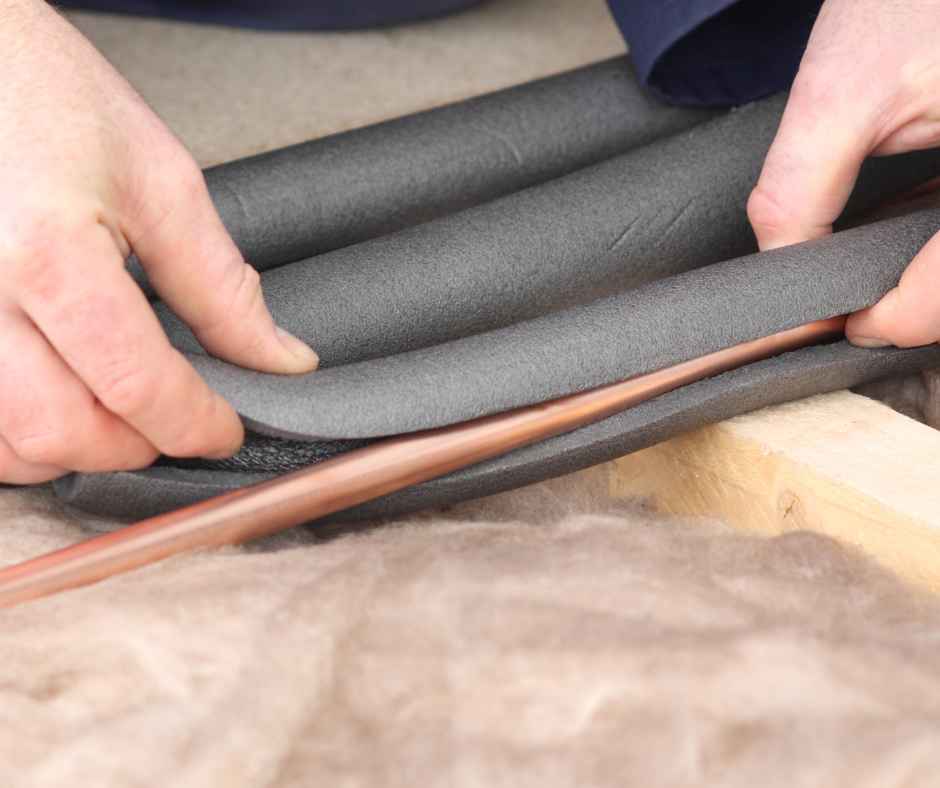
Preventing Pipe Bursts: Preparing Your Plumbing for Indiana’s Sub-Zero Temps
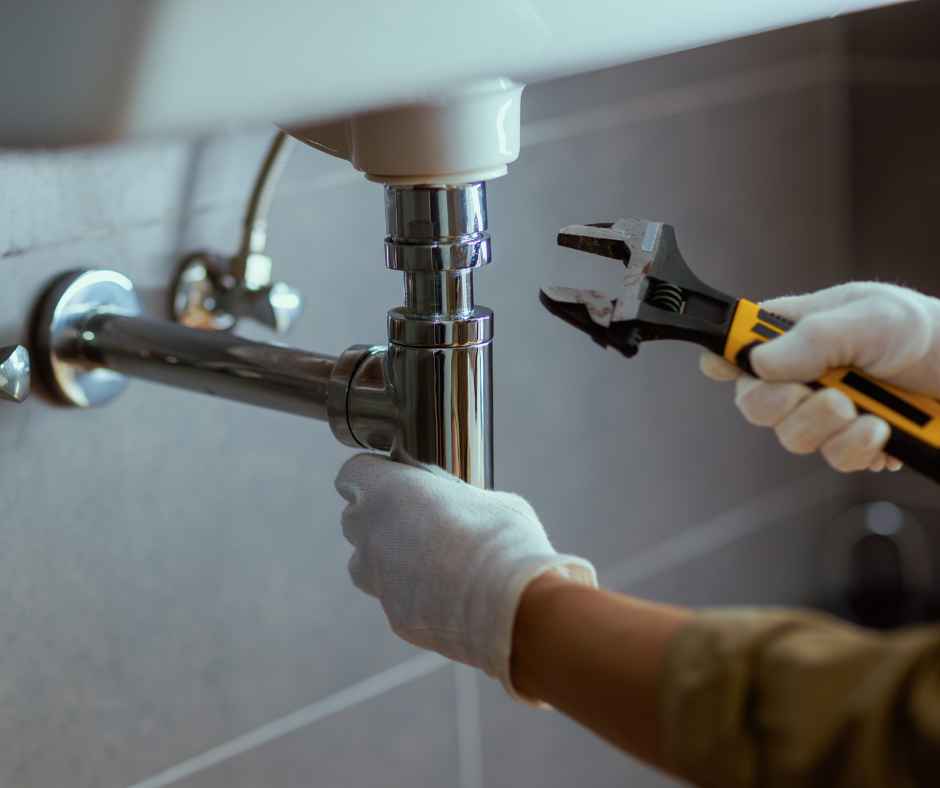
Why Hiring a Licensed Plumber Matters for Your Home’s Safety and Efficiency
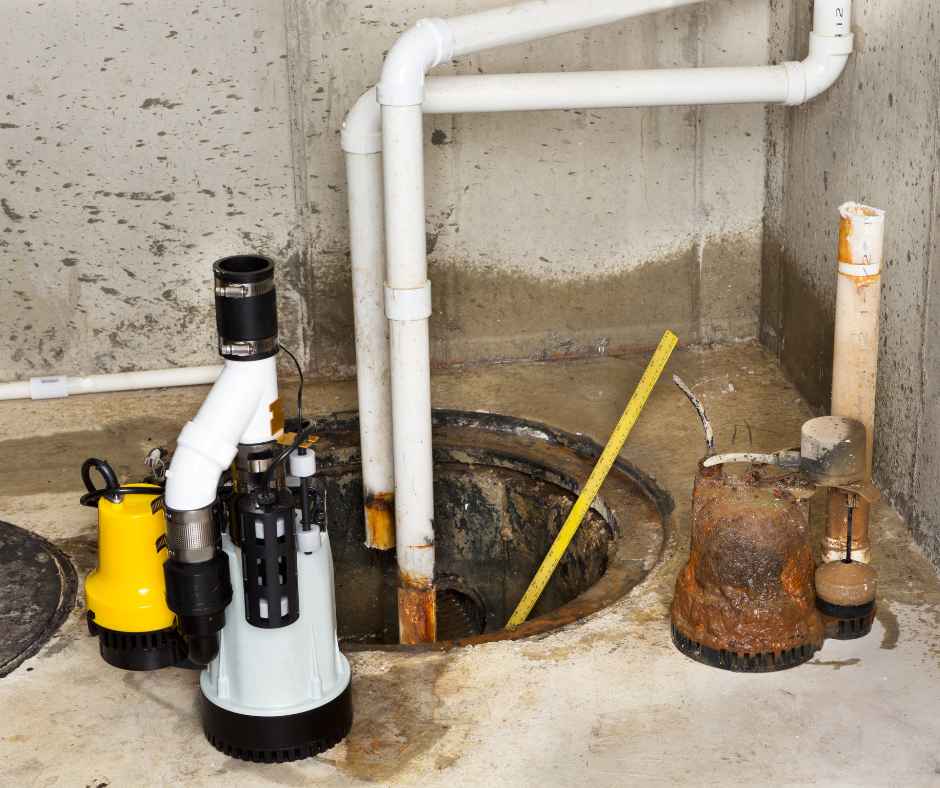
Why Your Sump Pump Needs Regular Maintenance and How to Do It
How to Choose the Right Water Heater for Your Home
Get in Touch