


Serving Hamilton County & Surrounding Areas
Save More: Hamilton County Hard Water Costs Explained
Hard Water in Hamilton County: What It Costs You and How a Water Softener Helps
By Jeremy Robinson, Advocate Plumbing
Many Hamilton County homeowners don’t realize how much hard water—high levels of calcium and magnesium—affects their homes and daily routines. Those minerals speed up wear on pipes and appliances, reduce efficiency, and leave spots and residue that complicate cleaning and personal care. This article describes how hard water causes damage, how common water softeners work, and the likely costs and local service options available through Advocate Plumbing.
How Hard Water Hits Home
Hard water leads to routine problems that often grow into expensive repairs. Knowing the main effects helps homeowners choose whether to treat their water and what system makes sense.
Damage to Plumbing
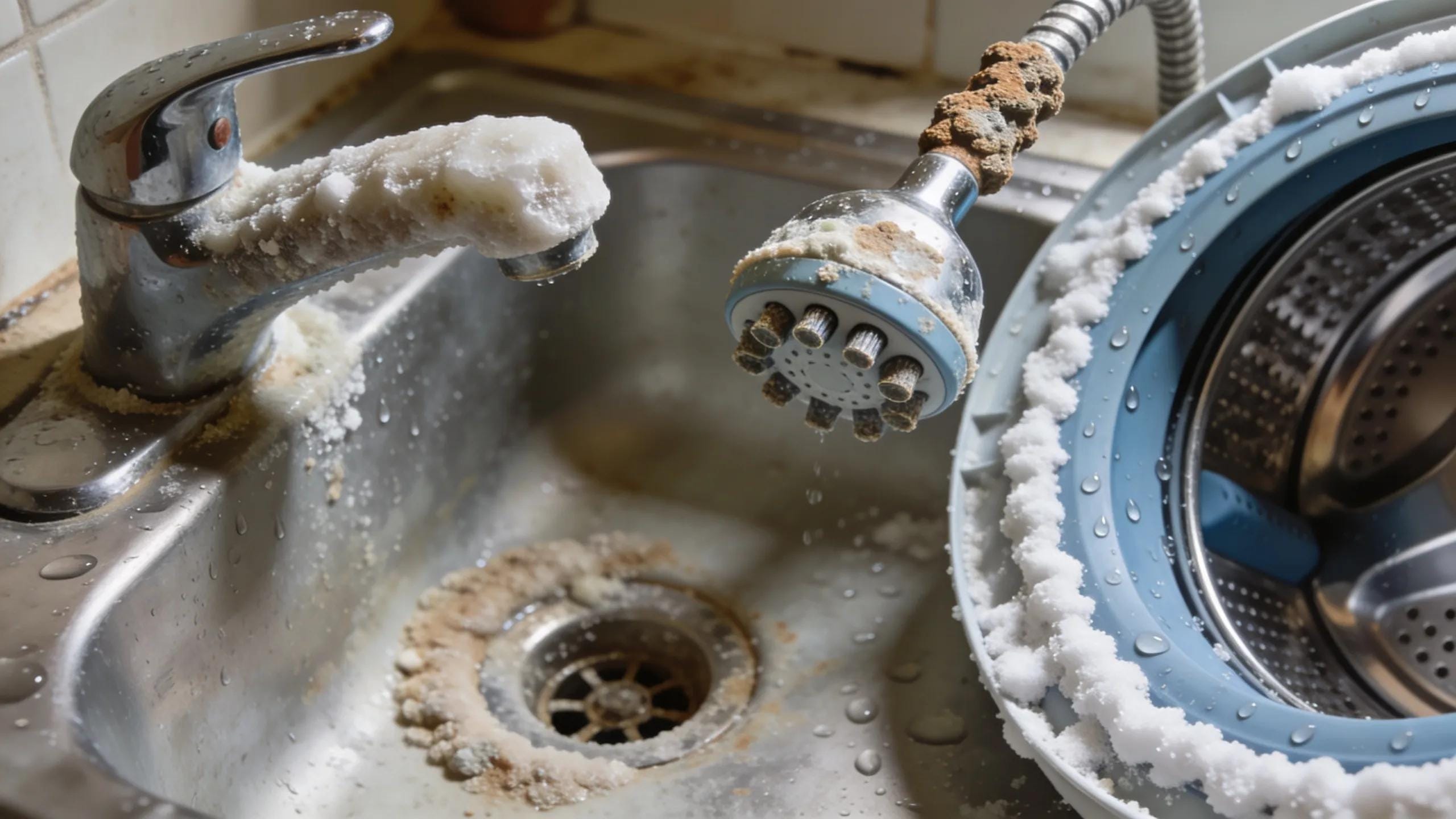
Mineral scale builds on the inside of pipes and fixtures, narrowing water flow and raising pressure. Over time this increases the chance of clogs and leaks and drives up repair bills. Regular checks and preventive service slow scale buildup and protect system performance.
Less Efficient Appliances
Scale on heating elements and inside washers, dishwashers, and water heaters reduces efficiency. That means higher energy bills, reduced performance, and shorter equipment life—leading to earlier replacements.
Effects on Skin and Hair
Mineral residue reduces soap lather and can leave a film that dries skin and dulls hair. Many homeowners find softened water improves how soaps rinse and boosts everyday comfort.
Appearance and Cleaning Problems
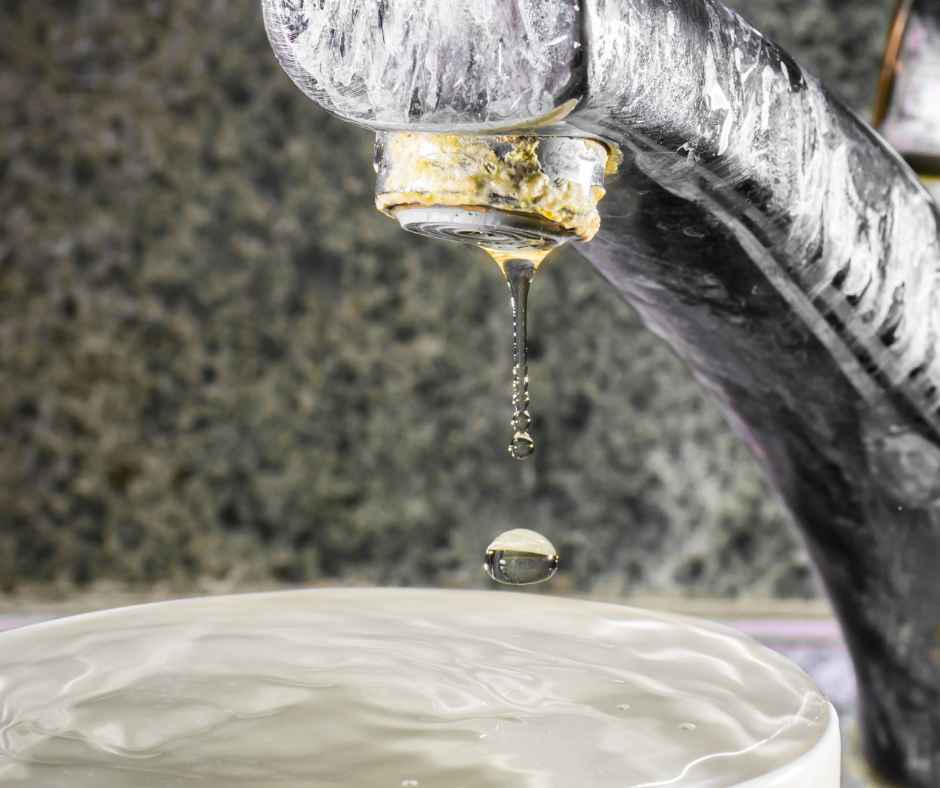
Faucets, fixtures, and glass often show stubborn staining and spotting that take extra effort to clean. Treating the water helps preserve the look of fixtures and cuts down cleaning time.
How Water Softeners Work
Most home systems use ion-exchange softeners, which swap calcium and magnesium for sodium ions. That process reduces scale formation and the problems hard water causes in plumbing and appliances.
What Drives the Cost
Hard water increases repair and operating expenses. Installing a softener requires an upfront investment but typically delivers lifecycle savings through lower maintenance and extended appliance life. Homeowners should weigh initial cost against long-term savings.
Primary Hard Water Effects for Hamilton County Homes
In Hamilton County, hard water commonly leads to:
- Scale Buildup: Mineral deposits that narrow pipes and disrupt flow.
- Appliance Wear: Faster loss of efficiency and shorter equipment lifespan.
- Higher Maintenance Costs: More frequent repairs and earlier replacements.
How Mineral Buildup Harms Pipes and Appliances
Scale from calcium and magnesium weakens plumbing and appliances by causing:
- Clogs: Reduced flow that can require professional cleaning.
- Heating Element Wear: Scale reduces heat transfer in water heaters, driving up energy use and increasing failure risk.
Long-Term Cost Impact of Untreated Hard Water
Ignoring hard water leads to steady, measurable expenses over time:
- Repair Bills: Repeated plumbing fixes add up.
- Appliance Replacement: Premature failures result in more frequent, costly replacements.
How Softeners Reduce Hard Water Damage in Hamilton County Homes
Water softeners help by:
- Extending Plumbing Life: Less scale keeps pipes working longer.
- Improving Performance: Appliances and surfaces stay cleaner and run more efficiently.
- Lowering Repair Costs: Less scale means fewer repairs and replacements.
Pick a system sized for your measured hardness. High-efficiency models may cost more up front but often save money over time.
Installation Steps and Routine Maintenance
Typical steps include:
- Assessment: A pro tests your water hardness and recommends options.
- Installation: The softener is plumbed into the main supply.
- Maintenance: Monthly salt checks and annual service keep the system running properly.
Typical Installation and Ongoing Costs in Hamilton County
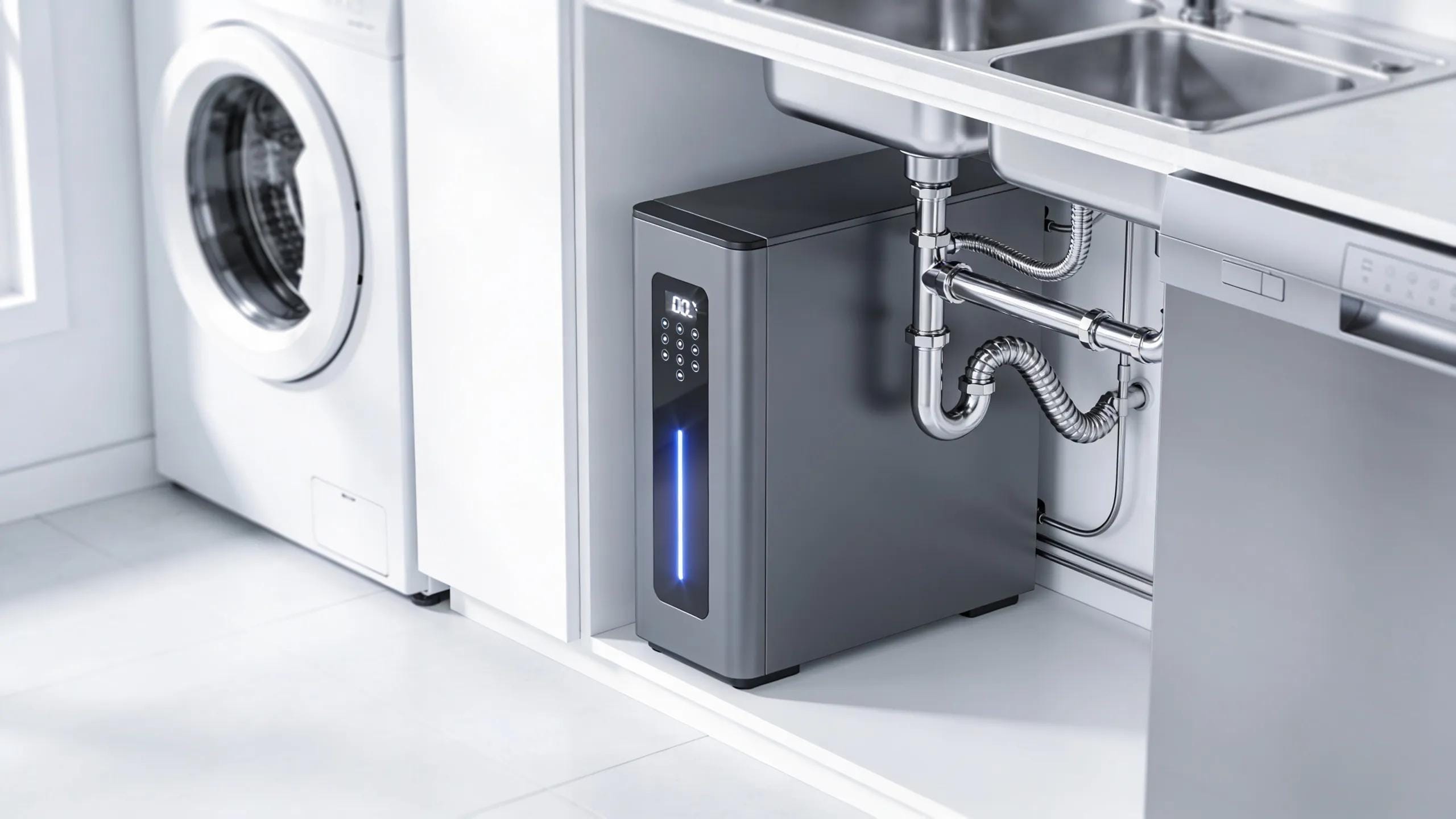
Installation costs in Hamilton County typically range from $1,000 to $4,000 depending on system type and home complexity. Also budget for salt, occasional maintenance visits, and periodic inspections.
How Costs Compare by Softener Type
Conventional ion-exchange systems usually have lower upfront prices but ongoing salt and service costs. Advanced or high-efficiency systems often cost more initially but can reduce lifetime expenses.
Local Incentives and Financing
Some utility programs or municipal incentives may help offset purchase costs. Check current local offerings for available rebates or financing options.
Local Providers for Hard Water Solutions
Advocate Plumbing performs hard water assessments, recommends the right systems, and handles professional installation tailored to each home.
What to Expect From a Qualified Service Provider
When choosing a contractor, look for:
- Licensing and Certification: Work that meets local codes and standards.
- Proven Experience: A record of installing and servicing softeners.
- Customer Feedback: Reviews that confirm reliability and quality.
How Advocate Plumbing Helps With Clear Pricing and Expert Installs
Advocate Plumbing provides straightforward estimates and technical guidance so homeowners can pick a treatment that fits their property and budget.
Frequently Asked Questions
What signs show hard water problems in a home?
Look for mineral stains on fixtures, visible scale in appliances, reduced performance from heaters or dishwashers, weak soap lather, stiff laundry, and dry or dull hair. Spotting issues early makes treatment simpler and cheaper.
How often should I service my water softener?
Check salt levels every month and refill as needed. Schedule a full inspection and water test once a year to confirm regeneration and resin health.
Can hard water affect my health?
Hard water is generally safe to drink but can worsen dry or sensitive skin because minerals make rinsing less effective. Many people find softened water eases those symptoms.
What kinds of water softeners can homeowners choose?
Common residential options include salt-based ion-exchange softeners, salt-free conditioners, and dual-tank systems for continuous service. Choose based on your measured hardness and household needs.
How long do water softeners typically last?
With proper care, many systems last 10–20 years. Lifespan depends on build quality, maintenance, and how hard the water is.
Are there greener water treatment options?
Salt-free conditioners and reverse osmosis systems are alternatives, each with trade-offs like brine discharge or water waste. Factor environmental impact into your decision.
Conclusion
Treating hard water protects plumbing and appliances and can reduce lifetime costs. A well-chosen water softener improves efficiency and daily comfort. Contact Advocate Plumbing to review options that match your home and budget.
Recent Posts
How to Choose the Right Water Heater Installation Company for Your Home
Hard Water & Hamilton County: Why Your Noblesville Home Needs a Water Softener
Preventing Pipe Bursts: Preparing Your Plumbing for Indiana’s Sub-Zero Temps
Why Hiring a Licensed Plumber Matters for Your Home’s Safety and Efficiency
Why Your Sump Pump Needs Regular Maintenance and How to Do It
How to Choose the Right Water Heater for Your Home
Preventive Plumbing Inspection Guide Every Homeowner Should Follow
Get in Touch